

Introduction to World Food Day and its significance
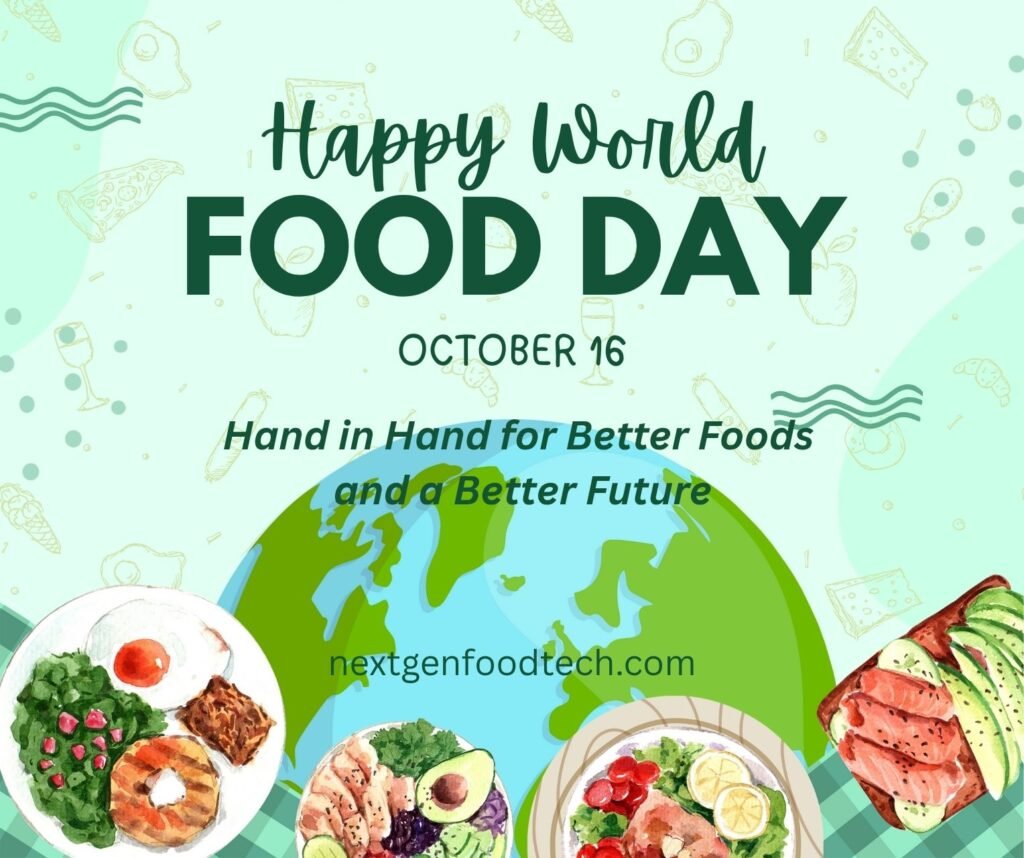
Every year, millions of people worldwide come together to celebrate World Food Day on October 16th. This day is dedicated to raising awareness about issues related to food and nutrition, and to promoting actions that can help create a healthier and more sustainable food system for all. World Food Day was established by the United Nations (UN) in 1979, and since then, it has been observed in over 150 countries. Come 2025, the world will celebrate the 50th anniversary of World Food Day, and the theme for this milestone year is “Hand in Hand for Better Foods and a Better Future.” Together, we can make a difference in the fight against hunger and malnutrition and create a brighter future for generations to come. to celebrate World Food Day. This special occasion, taking place on October 16th, serves as a poignant reminder of our shared responsibility for food security, sustainability, and equity. As we look ahead to World Food Day 2025, it’s crucial to reflect on the significance of this day and recognize what it means for our planet’s future.
World Food Day not only highlights the importance of nutritious meals but also shines a light on pressing issues within global food systems. From hunger and poverty to environmental degradation and climate change, these challenges affect communities everywhere. With every passing year, the need for action becomes more urgent.
As we prepare for the next celebration in 2025, let’s explore how individuals, businesses, governments, and organizations can work hand in hand towards better foods that foster a brighter future for all. Together, we can pave the way toward sustainable practices that ensure no one is left behind when it comes to nourishment or opportunity.
The current state of global food systems
The current state of global food systems is a complex web of challenges and opportunities. As the world grapples with population growth, climate change, and economic disparities, our food networks are under immense pressure.
Food insecurity affects millions worldwide. Many communities struggle with access to nutritious options while facing rising costs. This disparity creates a stark divide in health outcomes.
Sustainability is another pressing concern. Traditional farming practices often lead to soil degradation and biodiversity loss. The dependency on industrial agriculture raises questions about long-term viability.
Yet innovation sparks hope for positive change. Advances in technology, such as vertical farming and lab-grown meat, show promise for reducing environmental impact while increasing efficiency.
Local food movements are gaining momentum too. Communities rally around supporting local farmers and sustainable practices that honor the land and its resources. These grassroots initiatives can reshape how we think about food security globally.
Key issues affecting food access, security, and sustainability
Food access remains a critical issue globally. Millions lack reliable access to nutritious meals. This problem is often exacerbated by economic disparities and geographic barriers.
Security is another pressing concern. Climate change, conflict, and pandemics disrupt food supply chains. These factors lead to instability in availability and prices of essential foods.
Sustainability hangs in the balance as well. Current agricultural practices contribute significantly to environmental degradation. Soil erosion, water depletion, and biodiversity loss threaten long-term food production viability.
Another layer lies in waste management. A staggering amount of food is lost or wasted each year—around one-third of all food produced worldwide ends up discarded before reaching consumers.
Addressing these issues requires urgent action across multiple sectors—from local communities to global organizations—if we are to create a resilient future for our food systems.
Solutions and initiatives towards a better future for food
Innovative solutions are emerging to reshape our food systems for the better. Urban farming is gaining traction, allowing communities to grow fresh produce right where they live. This initiative not only reduces transportation emissions but also brings nutritious food closer to those in need.
Another promising approach is regenerative agriculture. By focusing on soil health and biodiversity, this method helps restore ecosystems while producing sustainable crops. Farmers who adopt these practices often see increased yields and resilience against climate change.
Food waste reduction initiatives play a crucial role as well. Organizations are finding creative ways to repurpose surplus food, diverting it from landfills and feeding vulnerable populations instead.
Tech advancements also contribute significantly, with apps connecting consumers directly to local farmers. This fosters transparency within the supply chain while supporting local economies and promoting seasonal eating habits that benefit both health and environment.
The role of individuals and communities in promoting sustainable food practices
Individuals and communities play a vital role in promoting sustainable food practices. Daily choices can significantly impact local ecosystems and global supply chains.
Eating seasonal produce not only supports local farmers but also reduces carbon footprints associated with transportation. By choosing what’s grown nearby, we contribute to healthier diets and economies.
Community gardens are another fantastic way to engage with sustainability. These shared spaces foster collaboration while providing fresh vegetables. They enhance social bonds and empower neighbors to take control of their food systems.
Educational initiatives further amplify this movement. Workshops on composting, cooking classes using whole foods, or even discussions about reducing food waste encourage mindful consumption.
Social media platforms serve as powerful tools for advocacy too. Individuals sharing stories about their sustainable journeys inspire others to rethink their habits and join the cause for better foods. Together, these efforts create ripples that lead towards lasting change in our communities.
How businesses can contribute to a more equitable and efficient food system
Businesses play a crucial role in shaping food systems. They can prioritize local sourcing, supporting farmers and reducing carbon footprints.
Innovation is another key area. Companies can invest in technology that enhances food preservation and distribution. This reduces waste while ensuring products reach consumers fresh and nutritious.
Creating transparent supply chains builds trust with customers. Sharing information about sourcing practices encourages accountability across the board, leading to better choices for everyone involved.
Moreover, businesses should embrace corporate social responsibility initiatives. Partnering with non-profits or community organizations fosters inclusivity and helps address hunger issues directly.
Training programs for employees on sustainable practices also drive change from within. When staff are educated about their impact, they become advocates for more responsible consumption patterns.
Adopting fair pricing strategies ensures that all players—from producers to retailers—are fairly compensated for their contributions to the system.
Government policies and international efforts for a more sustainable food future
Governments worldwide are recognizing the urgent need for sustainable food systems. Policies aimed at reducing food waste, promoting local agriculture, and enhancing nutritional standards are gaining traction.
Internationally, organizations like the United Nations play a crucial role. They coordinate efforts through initiatives such as the 2030 Agenda for Sustainable Development. This global framework encourages countries to prioritize food security and sustainability.
Financial support is also vital. Many nations allocate funds to research innovative farming techniques that minimize environmental impact while maximizing yield.
Trade agreements increasingly include provisions focused on fair trade practices and ethical sourcing of ingredients. These policies create an environment where all stakeholders benefit from equitable distribution.
Collaborative ventures between governments can amplify these efforts too. Sharing best practices ensures that successful strategies in one region can inspire change elsewhere, paving the way for a unified approach toward a more sustainable future in food systems.
Conclusion: Working together for a world with better food and sustainability
As we approach World Food Day 2025, it’s crucial to recognize that every action counts. The challenges facing our global food systems are substantial, but they aren’t insurmountable. By fostering collaboration among individuals, communities, businesses, and governments, we can create a future where nutritious and sustainable food is accessible to all.
Working hand in hand means sharing knowledge about sustainable practices and advocating for policies that support equitable access to resources. Every small effort contributes to a larger movement aimed at transforming how we produce and consume food.
On this World Food Day 2025, let’s commit ourselves not just to celebrating the diversity of foods around the world but also to taking meaningful actions toward ensuring better foods for everyone. Together, we can build a resilient food system capable of nourishing current generations while preserving resources for those yet unborn. A united front is essential—let’s make it happen.